There are very few travel experiences that stay with you for the rest of your life. Tracking mountain gorillas through the mist of Bwindi Impenetrable Forest is one of them. This guide covers everything you need to know before you go.
Why Uganda for Gorilla Trekking?
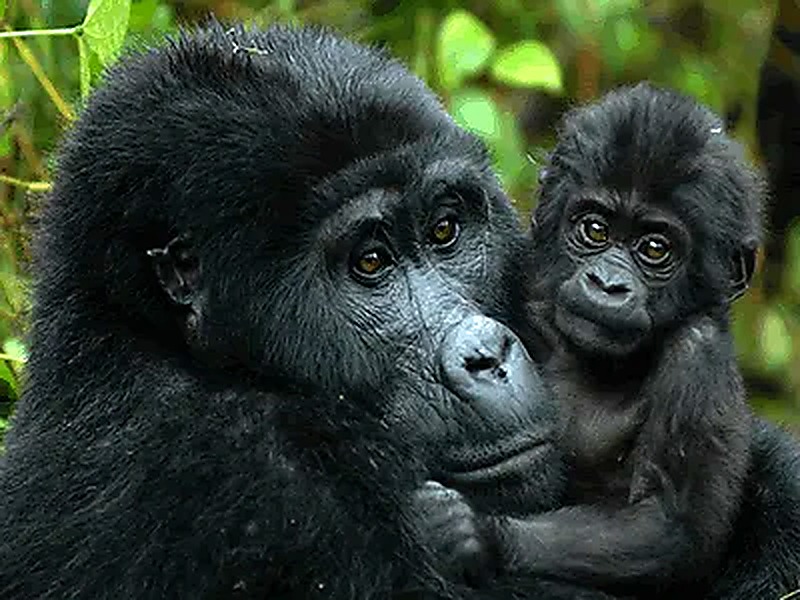
Uganda is home to approximately 500 mountain gorillas — about half the world's entire population. The two main trekking sites are Bwindi Impenetrable National Park in the southwest and Mgahinga Gorilla National Park, which sits on the border with Rwanda and the DRC.
Bwindi is the most popular, with 19 habituated gorilla families spread across four sectors: Buhoma, Ruhija, Rushaga and Nkuringo. Each sector offers a slightly different landscape and experience, from ancient montane forest to open valleys with sweeping views.
The Gorilla Permit — Everything You Need to Know
A gorilla permit is required for every trekker and costs $800 per person (as of 2025) for foreign non-residents. This fee directly funds Uganda Wildlife Authority conservation and community programmes, making your trek an act of conservation as well as adventure.
Permits are limited to 8 people per gorilla family per day. They sell out months in advance, especially for the July–September peak season. Book at least 3–4 months ahead through Levine Adventures to secure your preferred date.
Permits can be purchased through Uganda Wildlife Authority directly or through a licensed tour operator like Levine Adventures. We handle the booking, confirmation and payment securely — giving you peace of mind and guaranteed permits for your chosen date.
Choosing Your Sector: Buhoma vs Rushaga vs Ruhija vs Nkuringo
Each of Bwindi's four sectors has its own character:
- Buhoma (North) — The oldest and most-visited sector. Good infrastructure, shorter drives from Kampala. Best for first-timers.
- Rushaga (South) — The largest sector with the most gorilla families (6). More likely to get a permit on short notice.
- Ruhija (East) — Higher altitude, cooler temperatures, spectacular montane forest. More challenging terrain but the most rewarding scenery.
- Nkuringo (South) — Small, intimate sector. Best combined with a visit to Lake Mutanda. Physically demanding but very rewarding.
What to Wear & Bring on the Trek
Packing right for a gorilla trek is important. The forest can be muddy, steep and unpredictable. Here's what we recommend:
- Long-sleeved shirt and long trousers — protects against stinging nettles and insects
- Waterproof hiking boots with ankle support (the terrain can be very steep and wet)
- Rain jacket / light waterproof — Bwindi earns its "impenetrable" name
- Gardening or thick gloves — for grabbing vegetation on steep climbs
- Daypack with 2L water, snacks and a packed lunch
- Camera — no flash allowed in the gorilla's presence
- Walking stick (available to hire at park HQ for a small fee)
How Fit Do You Need to Be?
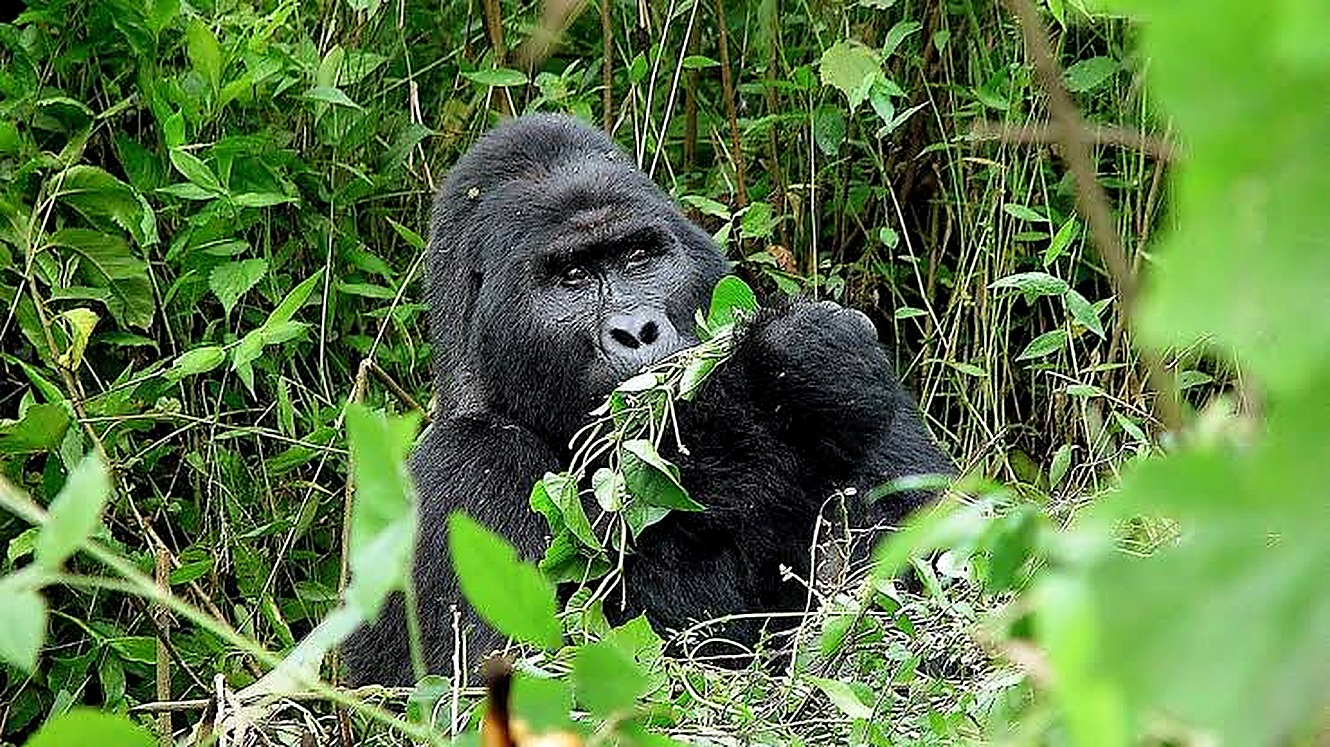
Gorilla trekking is rated as moderate to strenuous. The difficulty depends entirely on where the gorillas are ranging that day — sometimes you find them within 30 minutes, other days it can take 6+ hours of steep forest hiking. You don't need to be an athlete, but you should be comfortable walking uphill for several hours and be in reasonable general fitness.
The minimum age for gorilla trekking is 15 years. There's no upper age limit, but older trekkers or those with mobility issues should discuss this with us in advance so we can assign the most accessible family group.
Porter services are available at every sector headquarters. Hiring a local porter (approx. $15–20) not only helps you manage the terrain — it directly supports the local community, which is a key part of gorilla conservation.
The Gorilla Encounter — What to Expect
Once the trackers locate the gorilla family, the magic begins. You'll be asked to put on surgical masks (to protect the gorillas from human respiratory infections) and maintain a minimum distance of 7 metres — though the gorillas themselves don't always respect this rule.
You have exactly one hour with the family. It passes in what feels like minutes. Watch a silverback beat his chest. Observe juveniles tumbling and playing. Lock eyes with a gentle giant who shares 98% of your DNA. It is, without question, one of the most profound wildlife encounters on earth.
Best Time to Go
Gorilla trekking in Uganda is possible year-round, but the best conditions are during the dry seasons: June to September and December to February. During the wet seasons (March–May and October–November), the forest is lush and beautiful but trails can be extremely muddy and slippery. Some travellers prefer this time for the dramatic atmosphere — and permits are easier to obtain.
Ready to Book Your Gorilla Trek?
Levine Adventures organises complete gorilla trekking packages from Kampala, including permit procurement, accommodation at lodges adjacent to Bwindi, all ground transport and expert guiding. Prices start from $850 per person for a 3-day package.
Ready to Trek the Gorillas?
Permits are limited. Contact us now to check availability for your preferred dates.